New Roof Cost in South Florida: Tile vs. Metal vs. Shingle
"How much is a new roof?" is the question we get most, and the honest answer starts with "it depends" — but not in the evasive way. In South Florida the price is driven by a short list of specific things, and once you know them you can read any proposal and understand exactly what you're paying for. Here are the 2026 ranges we see across Miami-Dade, Broward, and Palm Beach, and what moves them.
The ranges, installed
These are complete, permitted, HVHZ-compliant replacements on a typical single-family home of roughly 2,000–2,800 square feet of roof area, including tear-off, deck re-nailing, underlayment, and disposal. Small homes and simple roofs land below these; large or complex roofs land above.
- Architectural asphalt shingle: $16,000–$30,000. The lowest entry cost, 15–25 years of life in our climate, and the widest range of HVHZ-approved products.
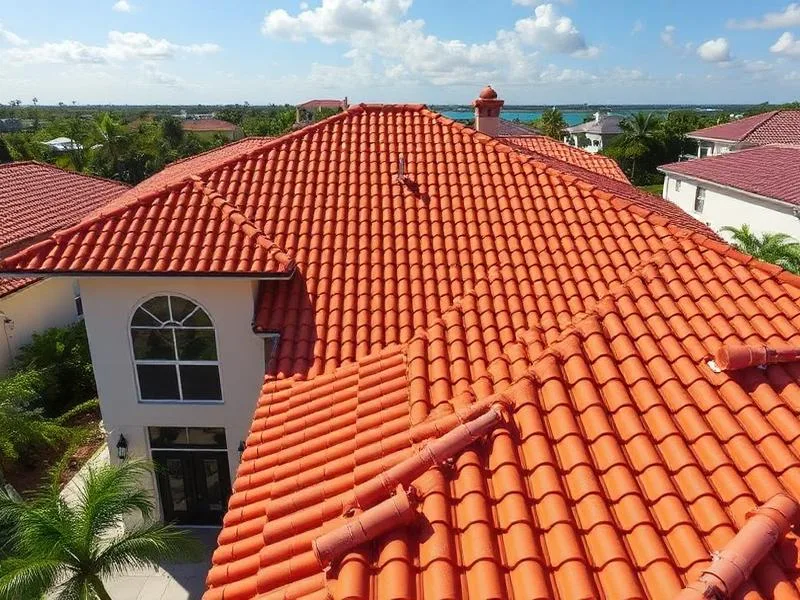
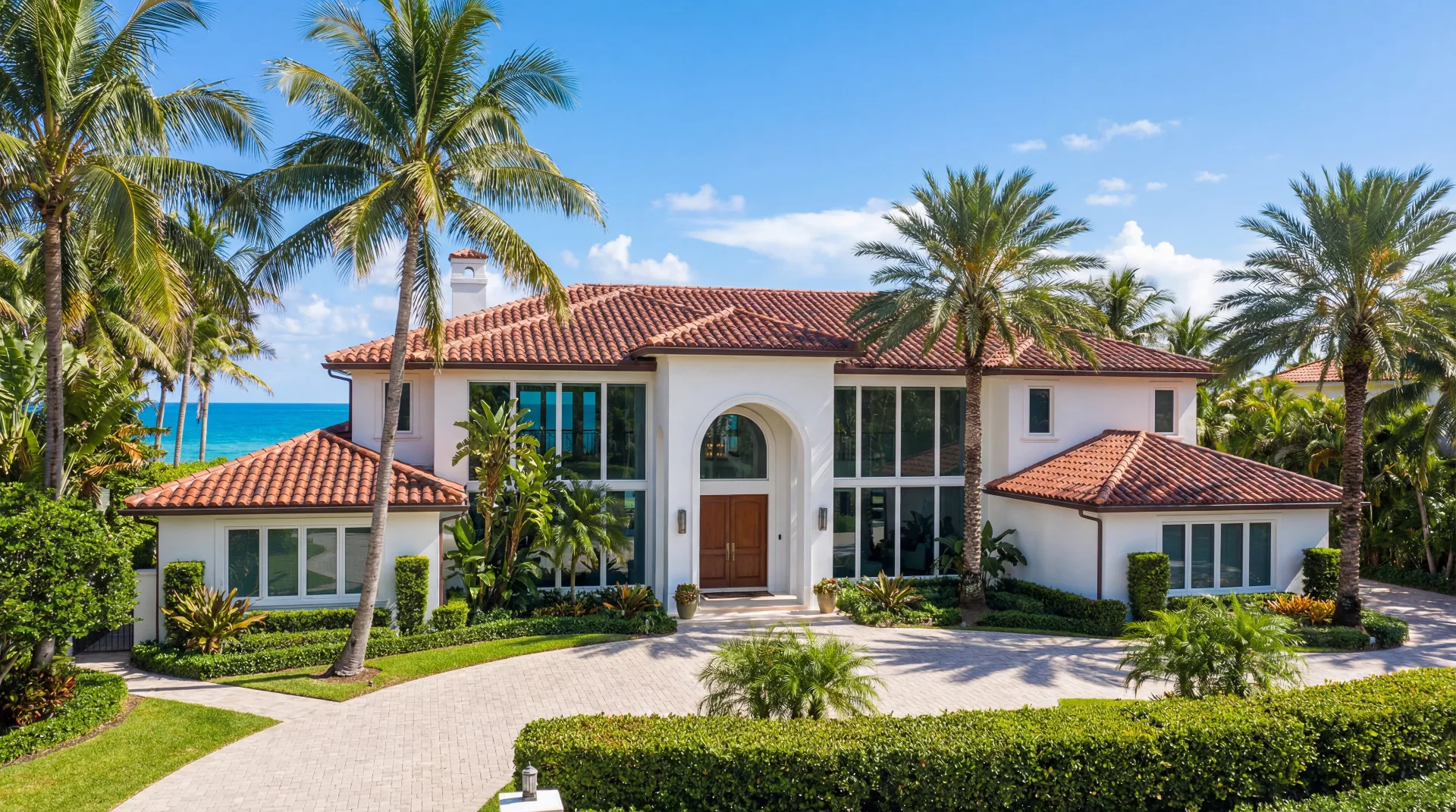
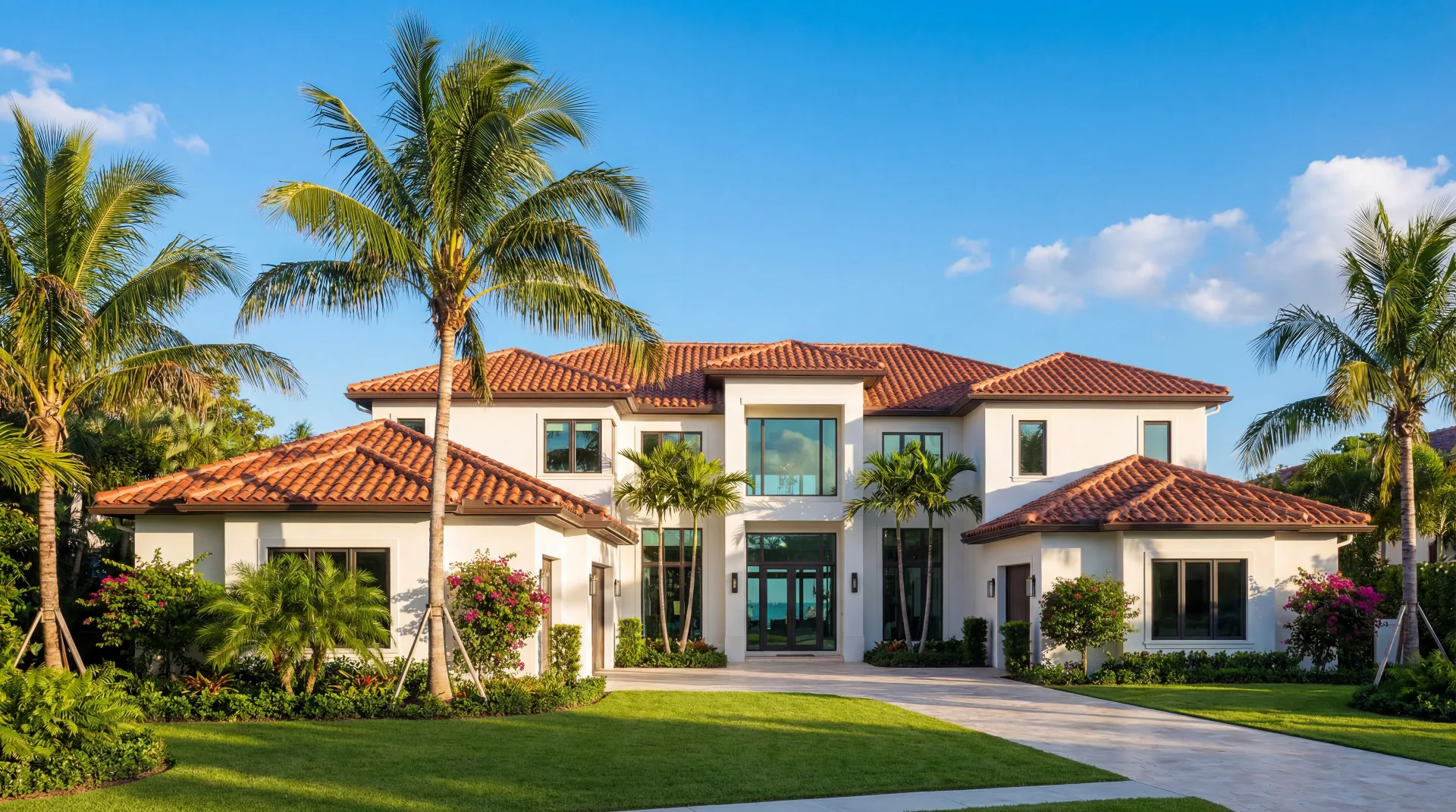
- Concrete tile: $30,000–$50,000. Heavier, longer-lived (the tile itself lasts 40–50 years; the underlayment beneath it is the 20–25-year component), and the look most South Florida neighborhoods expect.
- Clay tile: $40,000–$65,000 and up. The longest-lived covering — 50+ years — and the one historic districts and architectural review boards usually want.
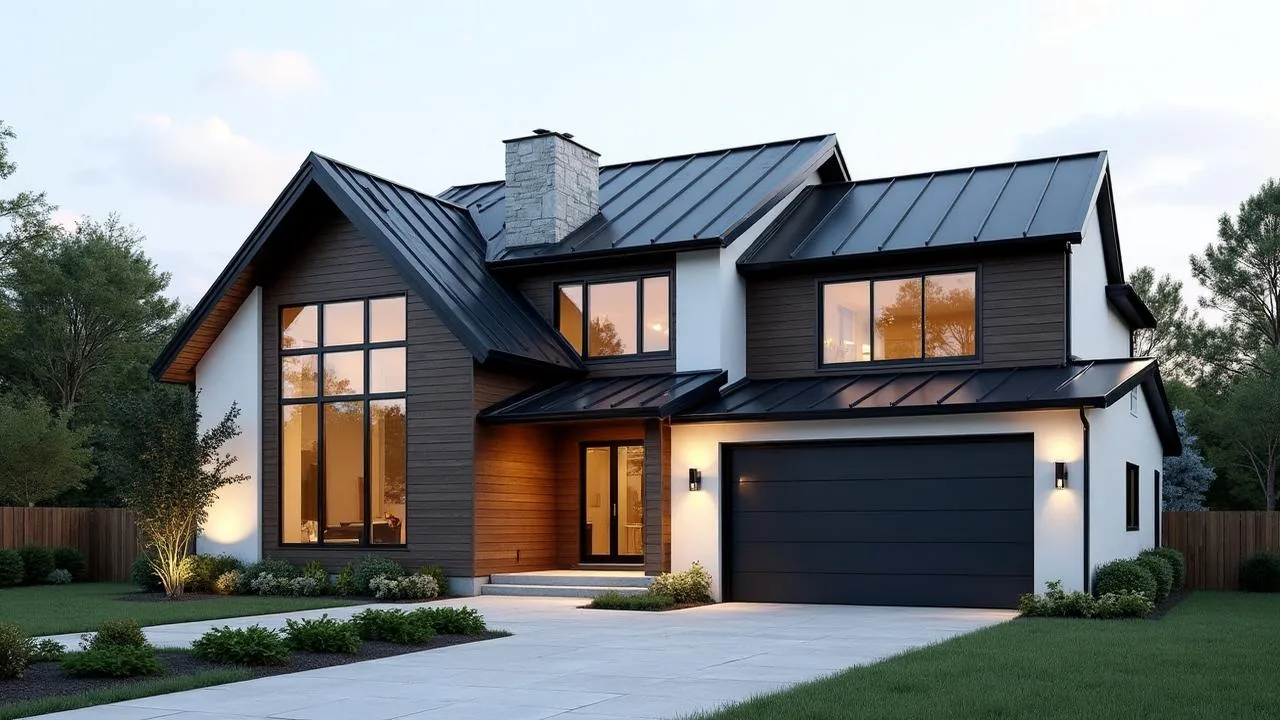
- Metal, standing seam: $30,000–$55,000. Concealed fasteners, 40–70-year life, the best wind performance per dollar, and increasingly the choice for coastal homes.
- Metal, exposed fastener (5V and similar): $22,000–$38,000. Lower cost, shorter maintenance interval because the fasteners' washers age in the sun.
- Flat or low-slope sections (TPO or modified bitumen): $7–$11 per square foot, often combined with a pitched covering on the same house.
If a quote is far below these numbers, ask what's missing. Usually it's deck re-nailing, the secondary water barrier, the permit, or the disposal — or the product has no Miami-Dade NOA.
The seven things that move the price
Roof size and pitch. Roofers measure in squares (100 square feet). More squares, more money — but pitch matters nearly as much. A 4:12 roof can be walked; an 8:12 needs staging and slows everything down.
Complexity. Hips, valleys, dormers, and changes in elevation add cutting, flashing, and labor. A simple gable is the cheapest shape to roof; a Mediterranean hip roof with three levels and a turret is not.
Tear-off and layers. Florida code doesn't allow roofing over an existing shingle roof in most cases, so tear-off is standard. Two old layers, or tile over shingle from a previous "upgrade," add labor and disposal.
Deck condition. Every HVHZ re-roof includes re-nailing the plywood to current code — that's in the base price. Replacing rotted plywood is not; it's priced per sheet, typically $80–$120 installed, and you don't know how many sheets until the old roof comes off. A good proposal states the per-sheet price and a realistic allowance.
Underlayment. A basic synthetic underlayment versus a full self-adhered membrane is a $1,500–$4,000 difference on a typical house. The self-adhered option earns the secondary water resistance credit on your wind mitigation form and is what we recommend on every re-roof; it pays for itself in premium savings.
Attachment method. Tile can be mechanically fastened, foam-set, or both; metal panels are specified by clip and fastener; shingles by nail count. HVHZ approvals dictate most of this, and the more robust methods cost more.
Access and logistics. Gated communities with delivery windows, no driveway for a dumpster, a boom truck to load tile onto a three-story roof — each adds real cost. Coral Gables and Boca Raton HOA rules about work hours and staging are part of the estimate too.
What's in a complete proposal
You should be able to find each of these on the proposal, with a number or a clear "included":
- Tear-off and disposal, with the number of layers assumed
- Deck re-nailing to current code
- Plywood replacement price per sheet and any allowance
- Underlayment type and product approval number
- Covering product, color, and NOA or Florida Product Approval number
- Attachment method
- Flashing, drip edge, vents, and pipe boots — new, not reused
- Permit fees and inspections
- Cleanup, magnet sweep for nails, and gutter check
- Workmanship warranty term and manufacturer warranty registration
If a line is missing, it's either included and unlabeled or it's coming as a change order. Ask which.
Cost versus life: the number that matters
Divide the installed cost by the realistic years of service in South Florida sun and salt air:
- Shingle: $22,000 over 20 years — about $1,100 a year.
- Concrete tile: $40,000 over 35 years, with a re-underlayment around year 25 — about $1,300 a year.
- Standing-seam metal: $42,000 over 50 years — about $850 a year.
Metal comes out cheapest per year of service, tile and shingle are closer than their sticker prices suggest, and the picture shifts further once you add insurance. Metal and tile with a new HVHZ installation typically earn stronger wind mitigation credits, and some carriers apply roof-age underwriting differently to them.
Repair, re-underlayment, or replace?
Not every aging roof needs full replacement:
- Repair if the covering has years left and the problem is localized. Our roof repair page has typical repair ranges.
- Re-underlayment on a tile roof: lift the tile, replace the underlayment, reinstall. Common at 20–25 years when the tile is sound. Roughly 50–65% of the cost of a full tile replacement.
- Replace when the covering is at end of life, the deck needs work, or the 25% rule requires it on an older roof. Details on that rule are in our post on Florida's 25% roof rule.
Frequently asked questions
Why is my quote higher than the national averages online?
National figures are dominated by simple shingle roofs in mild climates. South Florida adds HVHZ fastening, mandatory deck re-nailing, product approvals, higher permit fees, and labor rates for steep, hot work. Our ranges above reflect the local reality.
Can I finance a roof?
Yes — most roofing companies, including ours, offer financing through third-party lenders, and PACE programs are available in parts of Miami-Dade and Broward. Also check whether you qualify for the My Safe Florida Home grant, which can cover part of a wind-hardening re-roof.
How long does a re-roof take?
A shingle roof on a typical home is usually 2–4 days. Tile and metal run 1–2 weeks, longer for large or complex roofs. Permit and inspection scheduling adds to the calendar, not the labor.
Does a new roof lower my insurance?
Usually. Get a new wind mitigation inspection as soon as the permit is finaled; the roof covering, deck attachment, and secondary water resistance lines typically all improve. Details on the wind mitigation inspection page.
Get a real number for your roof
A ballpark is useful; a measured quote is what you can plan around. We measure by drone, pull your permit history, and give you a line-item roof replacement proposal with product approvals listed — free, across Miami-Dade, Broward, and Palm Beach. Book an inspection and you'll have it within the week.
SIA Roofing · Florida Certified Roofing Contractor CCC1334814 · (305) 333-2893. Ranges are 2026 estimates from our own projects; your roof's size, pitch, and condition determine the actual price.
Ready to Protect Your Home?
Schedule a free inspection with South Florida's most trusted roofing experts.