Roof Claim Denied in Florida? The 4 Real Reasons
A denial letter for a roof claim usually arrives with a paragraph of policy language and very little explanation. After enough post-storm seasons across Miami-Dade, Broward, and Palm Beach, we've noticed that almost every roof denial rests on one of four arguments. Knowing which one you're facing tells you what evidence matters and what your options are.
We're roofers, not adjusters or attorneys. What follows is what we see on roofs and in the reports that come with them.
Reason 1: "Wear and tear, not wind"
This is the most common denial by a wide margin. Homeowners policies cover sudden and accidental damage from a covered peril — wind, hail, a falling tree — and exclude gradual deterioration: aging, sun damage, lack of maintenance, and prior leaks. The adjuster looks at the roof and concludes the problem is age.
Sometimes they're right. Uniform granule loss across every slope, brittle shingles that crack when lifted, tile underlayment that's simply worn through — those are age, and no storm caused them.
But wind damage has its own signatures, and they're specific:
- Creased or lifted shingles with a broken seal strip, concentrated on the windward slopes.
- Displaced or slid tiles along one exposure, often with fresh breakage.
- Debris impact marks — clean fractures with no weathering inside them.
- Lifted flashing or ridge caps with fasteners pulled, not corroded.
The answer to a wear-and-tear denial is a dated inspection report that documents those signatures with photos, slope by slope. That's the whole reason we tell people to get the roof photographed early, while the evidence is fresh. Our post on Florida roof claim deadlines explains why the timing matters so much.
Reason 2: Pre-existing damage or a prior claim
The insurer argues the damage was there before the storm — because a previous inspection noted it, because a prior claim was paid for the same area, or because the roof's condition suggests the leak predates the event.
What answers it: any dated record of the roof's condition before the storm. A wind mitigation form, a four-point inspection from a policy renewal, a pre-purchase inspection, dated drone photos from a roofer's annual check, even a real estate listing photo. If a prior claim was paid and the repair was done, the permit and invoice show it was completed.
Where homeowners lose this one: repairs that were never done after a paid claim, or a roof with no records at all. The fix going forward is simple — keep every roof document in one folder.
Reason 3: Late notice or failure to protect the property
Two related arguments. Late notice means the insurer says you didn't report the claim in time or reported it so late they couldn't investigate properly; in Florida the statutory window is one year from the date of loss. Failure to mitigate means you didn't take reasonable steps to prevent further damage — for example, an active leak that ran for months without a tarp.
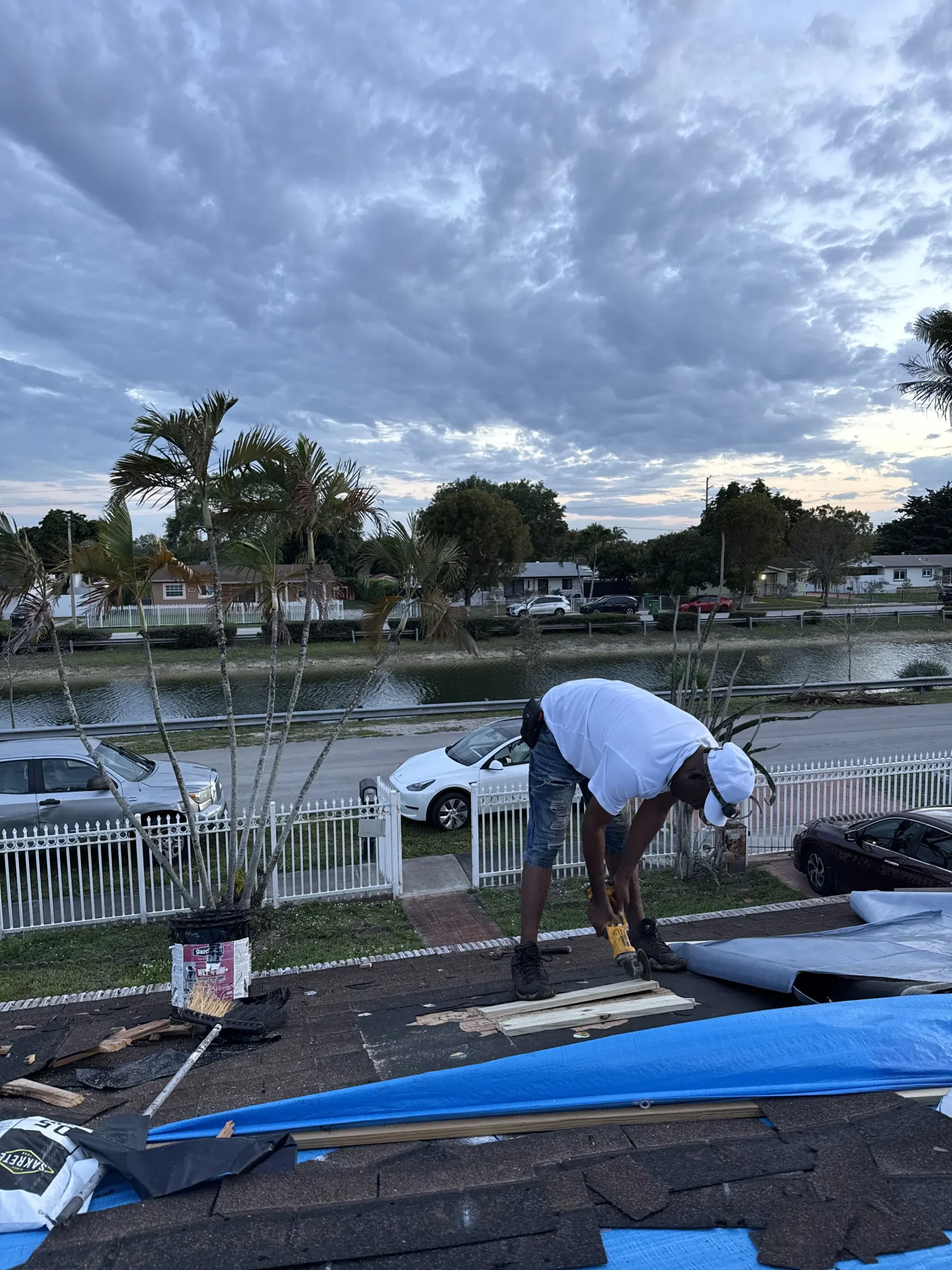
The prevention is straightforward. Report promptly, tarp or patch active leaks and keep the receipts, and don't replace the roof before the adjuster sees it — or, if it can't wait, photograph everything and get the insurer's written acknowledgment first. Tearing off the evidence is the single most damaging thing a homeowner can do to a claim, and it happens more than you'd think when a contractor is eager to start.
Reason 4: The policy doesn't pay the way you expected
Sometimes the claim isn't "denied" so much as it pays far less than the repair costs. Read the letter carefully for these:
- Hurricane deductible. Separate from your regular deductible, usually 2%, 5%, or 10% of the dwelling limit. A $12,000 repair on a policy with a $25,000 hurricane deductible pays nothing — and that's not a denial, it's the contract.
- Roof surfacing or ACV schedule. Florida allows policies to pay actual cash value — replacement cost minus depreciation — on older roofs. A roof-age schedule on your declarations page may reduce a 15-year-old shingle roof to a fraction of replacement cost.
- Cosmetic damage exclusion. Common on metal roofs. Hail dents that don't affect function may be excluded.
- Matching. Florida's matching statute (§ 626.9744) generally requires the insurer to make repairs in adjoining areas reasonably match, but policies can limit this. Discontinued tile is where it comes up most.
None of these are arguments about the roof. They're arguments about the policy, and the place to check them is your declarations page and endorsements.
What to do after a denial
Ask for the file. Request, in writing, the field adjuster's report, the photos, and the specific policy provisions relied on. You're entitled to know exactly why.
Get your own inspection. A licensed roofer's report with dated photos, measurements, and a scope — written for an adjuster, not a homeowner — is the evidence that reopens most wear-and-tear denials. A drone inspection documents every slope without anyone climbing on damaged roofing.
Request a re-inspection. Ask the insurer to send an adjuster back, with your roofer present to point out the wind signatures. Many denials are reversed at this step.
Use the supplemental window. You have 18 months from the date of loss to file a supplemental claim with new evidence.
Consider mediation. Florida's Department of Financial Services runs a mediation program for residential property disputes under § 627.7015. It's inexpensive and non-binding.
Know the rules on help. Public adjusters work on contingency capped by statute (20%, or 10% for the first year after a declared emergency). Attorneys' one-way fee recovery was eliminated in 2022, so fee arrangements changed — ask before signing anything. And since 2023 a roofer cannot take an assignment of benefits; be wary of any contractor offering to "fight the insurance company for you."
Frequently asked questions
Should I fix the roof while the dispute is ongoing?
Stop the water — tarp, patch, keep receipts — but hold the permanent repair until the insurer has re-inspected or told you in writing to proceed. If the damage is active and can't wait, photograph everything first.
The adjuster never got on the roof. Does that matter?
It can. A ground-level or drone-only assessment that concludes "wear and tear" without close inspection of the shingle seals or tile attachment is a weak basis for denial, and it's a reasonable ground to request re-inspection.
Can a denied claim affect my premium?
Filing a claim is recorded in your claims history whether or not it's paid. That's one reason to get a repair estimate before filing: if the repair is clearly under your deductible, there's no benefit to a claim.
My roof is 20 years old. Is a denial automatic?
No. Age makes the wear-and-tear argument easier for the insurer, but wind damage to an old roof is still wind damage. The evidence has to be better, which is where a detailed report matters most.
If you've received a denial
We inspect roofs across Miami-Dade, Broward, and Palm Beach after denials every week. You'll get an honest read — including when the adjuster was right — and, when the damage is real, a report written so a second adjuster can see what the first one missed. Storm damage documentation is part of every inspection; book one here.
SIA Roofing · Florida Certified Roofing Contractor CCC1334814 · (305) 333-2893. This is general information from a roofing contractor's perspective, not legal or insurance advice.
Ready to Protect Your Home?
Schedule a free inspection with South Florida's most trusted roofing experts.