Florida Roof Insurance Claim Deadlines, Explained

If your roof was damaged in a storm anywhere in Miami-Dade, Broward, or Palm Beach, there are two dates that matter more than any estimate, adjuster visit, or contractor promise: the date of loss, and one year after it. Miss the second one and the claim is barred — no matter how obvious the damage is.
This is the short, honest version of Florida's roof claim deadlines as they stand in 2026. We're roofers, not lawyers, so we'll stick to what the statute actually says and what we see happen on real roofs every hurricane season.
The two deadlines in plain English
Florida Statute § 627.70132 sets the clock for every residential property claim in the state:
- Initial claim: 1 year from the date of loss. You must give your insurer notice of the claim within one year of the day the damage happened.
- Supplemental or reopened claim: 18 months from the date of loss. If you find more damage after the first payment, or the first estimate missed something, the additional claim has to be filed within 18 months of the original loss date — not 18 months from when you found it.
Both windows were cut in half by Senate Bill 2-A in December 2022 (they used to be two years and three years). If you've read older advice online, it's probably wrong now.
"Date of loss" is the storm date, not the day you noticed
This is where South Florida homeowners get hurt. Roof damage is quiet. Wind lifts a section of tile or breaks the seal on a run of shingles, water gets under the underlayment, and the first sign is a ceiling stain four or five months later — sometimes the following rainy season.
For a named storm, the date of loss is the day the hurricane or tropical storm caused the damage. For a random wind or hail event, it's the day that event happened. The clock started then, whether you knew about it or not. Discovering the damage late does not restart it.
That's the whole reason we tell every customer the same thing after a storm: get the roof looked at within the first couple of weeks, even if the house is dry. A dated inspection report is the difference between a claim with a clear loss date and an argument about wear and tear.
What counts as "notice"
Notice means notifying your insurance company — by phone, online portal, or through your agent — and getting a claim number. Written is better. Telling your roofer, your neighbor, or a public adjuster is not notice to the insurer.
Since January 1, 2023, Florida also bans assignment of benefits on residential property policies (§ 627.7152). In practice: a roofing company can no longer "take over" your claim and file it in your name. You file it. Your roofer's job is to document the damage properly, give you an honest scope, and do the repair once the claim is approved — which is exactly how we work on hurricane roof damage.
What the insurer owes you once you file
The same 2022 reform tightened the insurer's clock too (§ 627.70131). After you give notice:
- 7 days to acknowledge the claim.
- 30 days to conduct a physical inspection, if one is needed.
- 60 days to pay or deny the claim, unless factors beyond their control apply.
If those dates slide, ask — in writing — which statutory exception they're relying on. Most delays we see are simply a backed-up adjuster queue after a storm, but you're entitled to the answer.
Decide whether a claim even makes sense
Not every roof problem should become a claim, and a good roofer will tell you so. Two numbers decide it:
- Your hurricane deductible. Most Florida policies carry a separate hurricane deductible of 2%, 5%, or 10% of the dwelling coverage. On a $600,000 policy, a 5% deductible is $30,000. If the repair is $9,000, there's nothing to claim.
- Your roof's coverage type. Check the declarations page for a separate roof deductible or an actual cash value (ACV) roof schedule. Florida allows insurers to pay depreciated value on older roofs; a 17-year-old shingle roof may be paid at a fraction of replacement cost.
A written repair estimate before you file tells you which side of the deductible you're on. Filing a claim that pays nothing still shows up in your claims history.
A timeline that protects you
Days 0–3 — Make it safe and document it. Photograph everything from the ground and, if you can do it safely, the attic. Note the date and the storm. Tarp active leaks; keep the receipt — emergency mitigation is usually reimbursable.
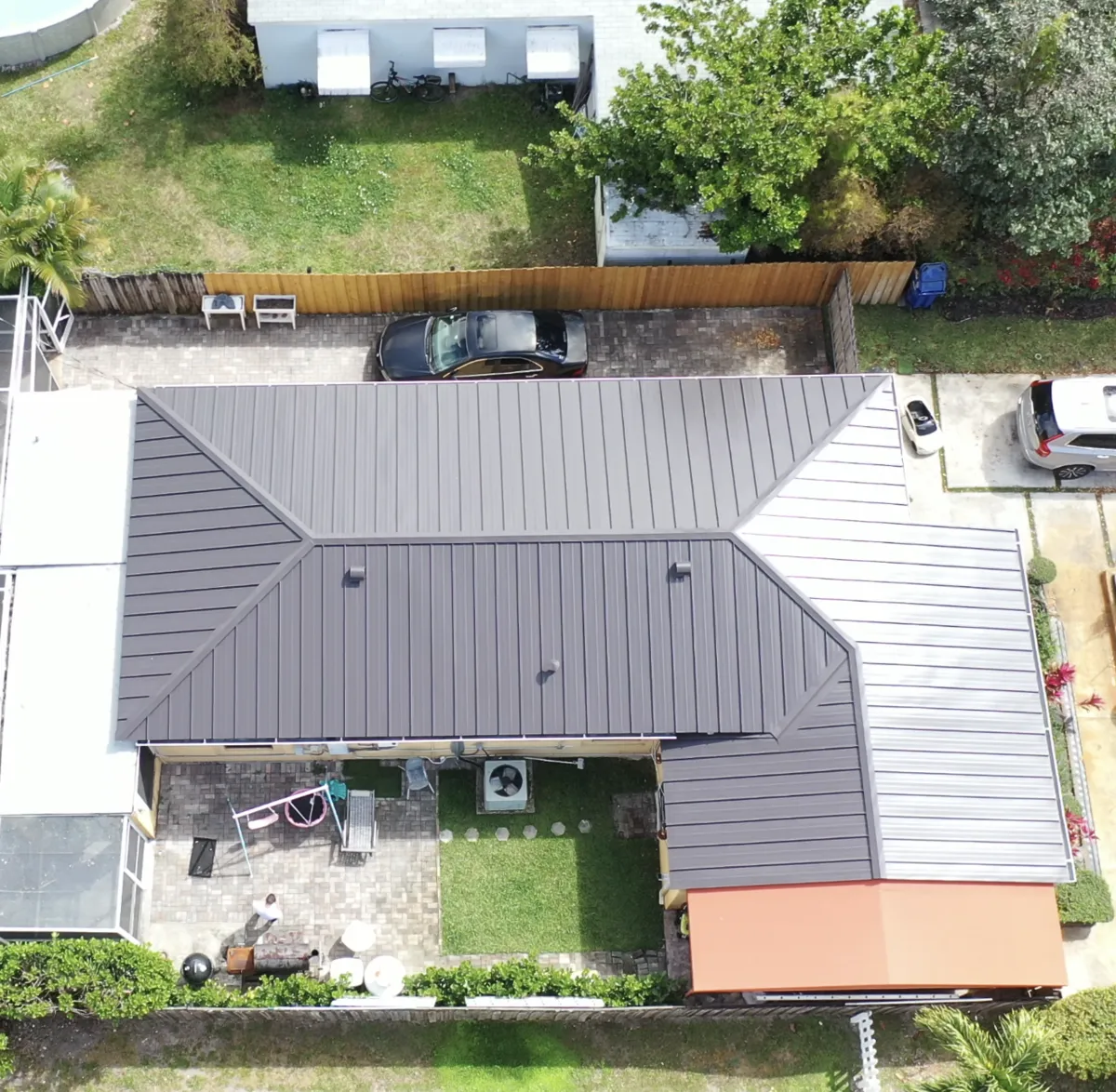
Days 3–14 — Get a professional inspection. A licensed roofer's report with dated photos, measurements, and a scope establishes what was damaged and when. We photograph by drone so nobody has to walk a wet roof, and we format the report the way adjusters expect.
Before day 90 — File. There's no advantage to waiting. Adjuster availability is best early, evidence is freshest, and you preserve the full 18-month window for anything found later.
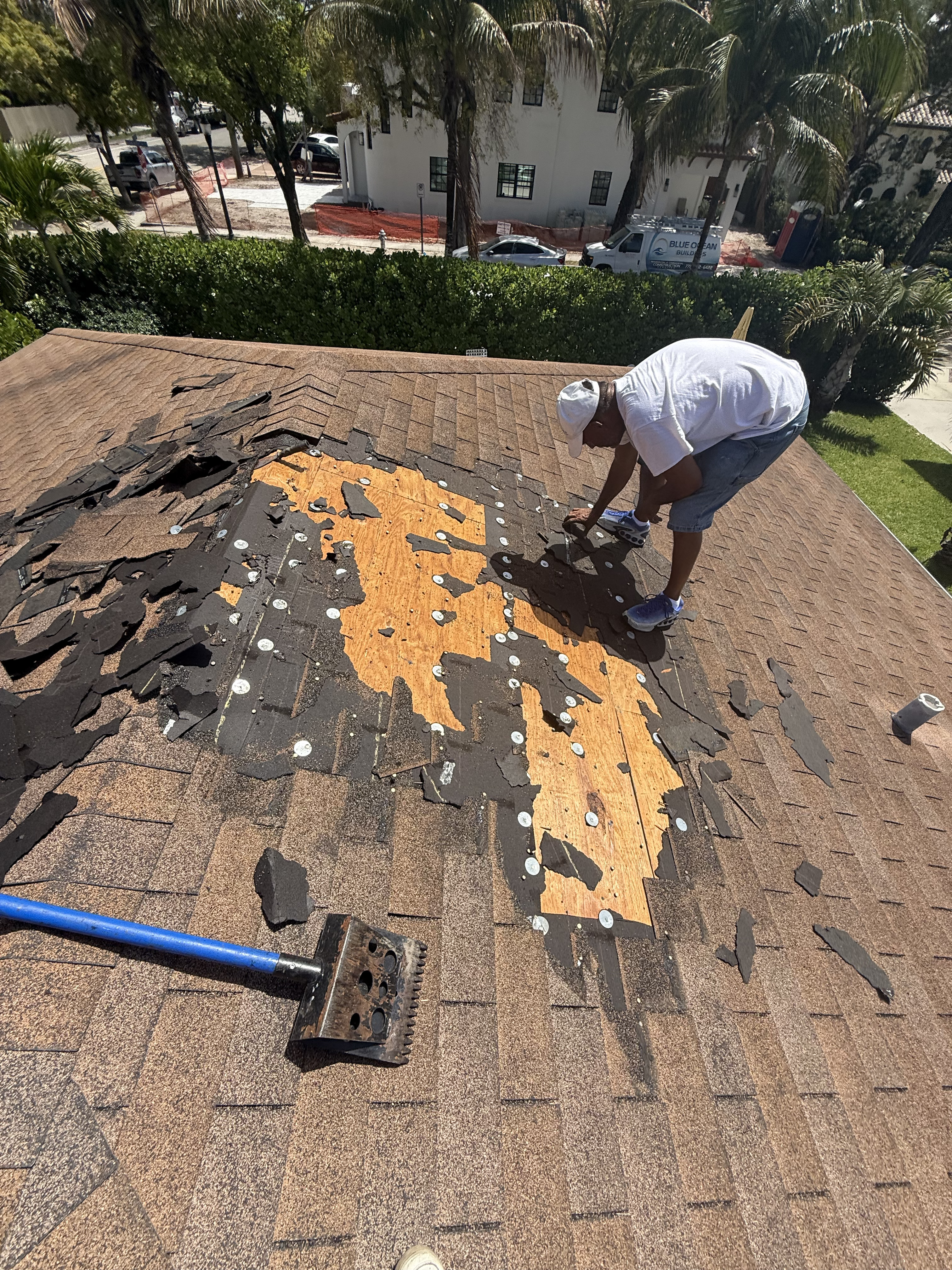
After the first payment — Watch for the second wave. Interior damage, rotted decking discovered during the repair, and matching issues on tile roofs are the most common supplemental items. The 18-month clock from the original loss date is running the whole time.
Frequently asked questions
Does hurricane season change any of the deadlines?
No. A declared state of emergency doesn't extend the one-year or 18-month windows. The only thing that changes in a hurricane is which deductible applies.
My insurer denied the claim. How long do I have to fight it?
The one-year deadline is about giving notice, and you've already done that. Disputes run on separate rules and often start with a written request for the adjuster's report and the specific policy language behind the denial. We cover the common denial reasons in a separate post.
I found damage 13 months after the storm. Am I out of luck?
For that storm, yes — the initial claim is barred. But an honest inspection is still worth doing. Some of what looks like storm damage is a maintenance problem you can fix for far less than a deductible, and some of it may trace to a more recent event that's still within the window.
Can my roofer file the claim for me?
Not anymore. Since 2023, assignment of benefits is prohibited on Florida residential policies. Your roofer documents; you file. Be cautious of any contractor who offers to "handle the insurance" — that's the arrangement the law was written to end.
Does a wind mitigation inspection help with claims?
Indirectly. A wind mitigation report documents your roof's condition and attachments on a specific date, which is useful evidence if the insurer later argues the damage was pre-existing. Its main job, though, is lowering your premium.
The bottom line
One year to file. Eighteen months for anything you find later. Both measured from the day the damage happened, not the day you saw it. Get the roof inspected early, keep every dated photo and receipt, and decide about filing with your deductible in front of you.
If you're in Miami-Dade, Broward, or Palm Beach and want a dated inspection report before you make that call, book a free drone inspection and we'll send you the photos and a written scope the same week.
SIA Roofing · Florida Certified Roofing Contractor CCC1334814 · (305) 333-2893. This article is general information, not legal or insurance advice. Confirm deadlines against your policy and the current statute.
Ready to Protect Your Home?
Schedule a free inspection with South Florida's most trusted roofing experts.