HOA & Condo Roof Replacement: The Approval Sequence
A roof replacement on a single-family home is a two-week project with one decision-maker. On a condominium or an HOA-governed property in South Florida it's a six-to-twelve-month process with a board, a reserve study, an engineer, a bid package, a membership that has opinions, and a building department. Since 2022 the law has also changed what associations are required to plan for. Here's the sequence as it actually runs, whether you're a board member trying to get it started or an owner wondering why it's taking so long.
First: who owns the roof
Condominium. The roof is almost always a common element, owned collectively and maintained by the association. Owners don't hire roofers; the association does.
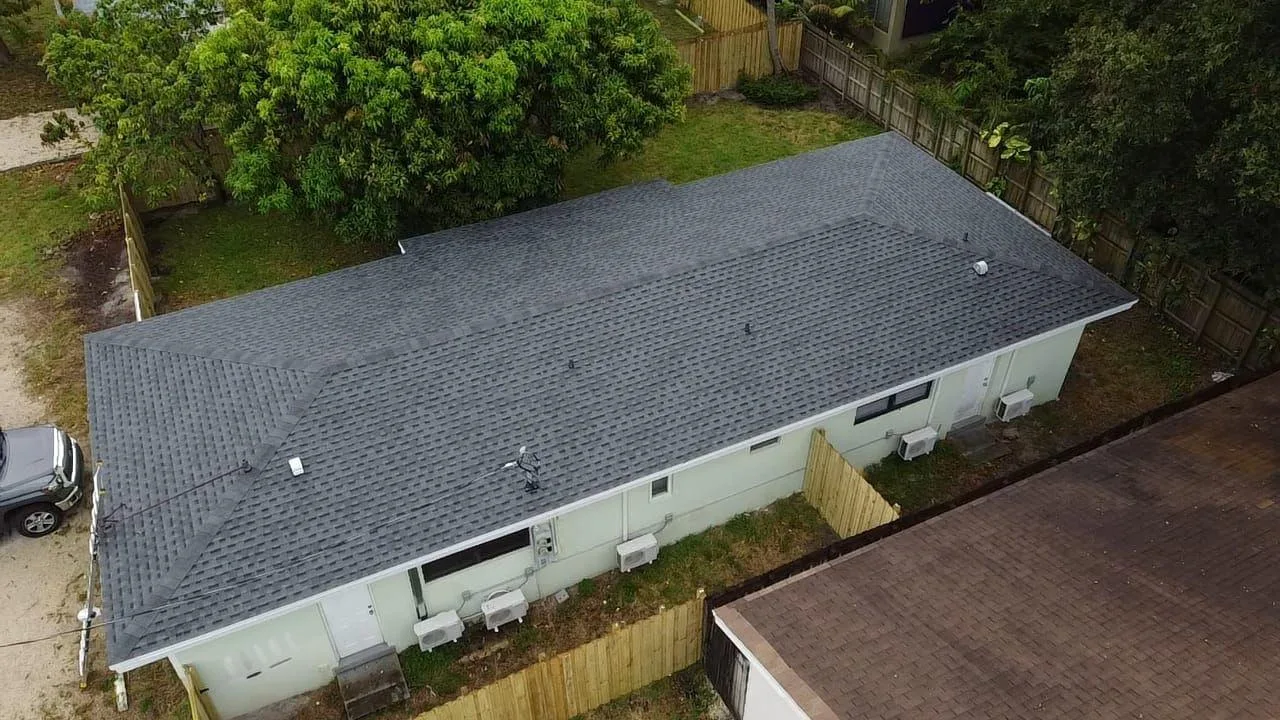
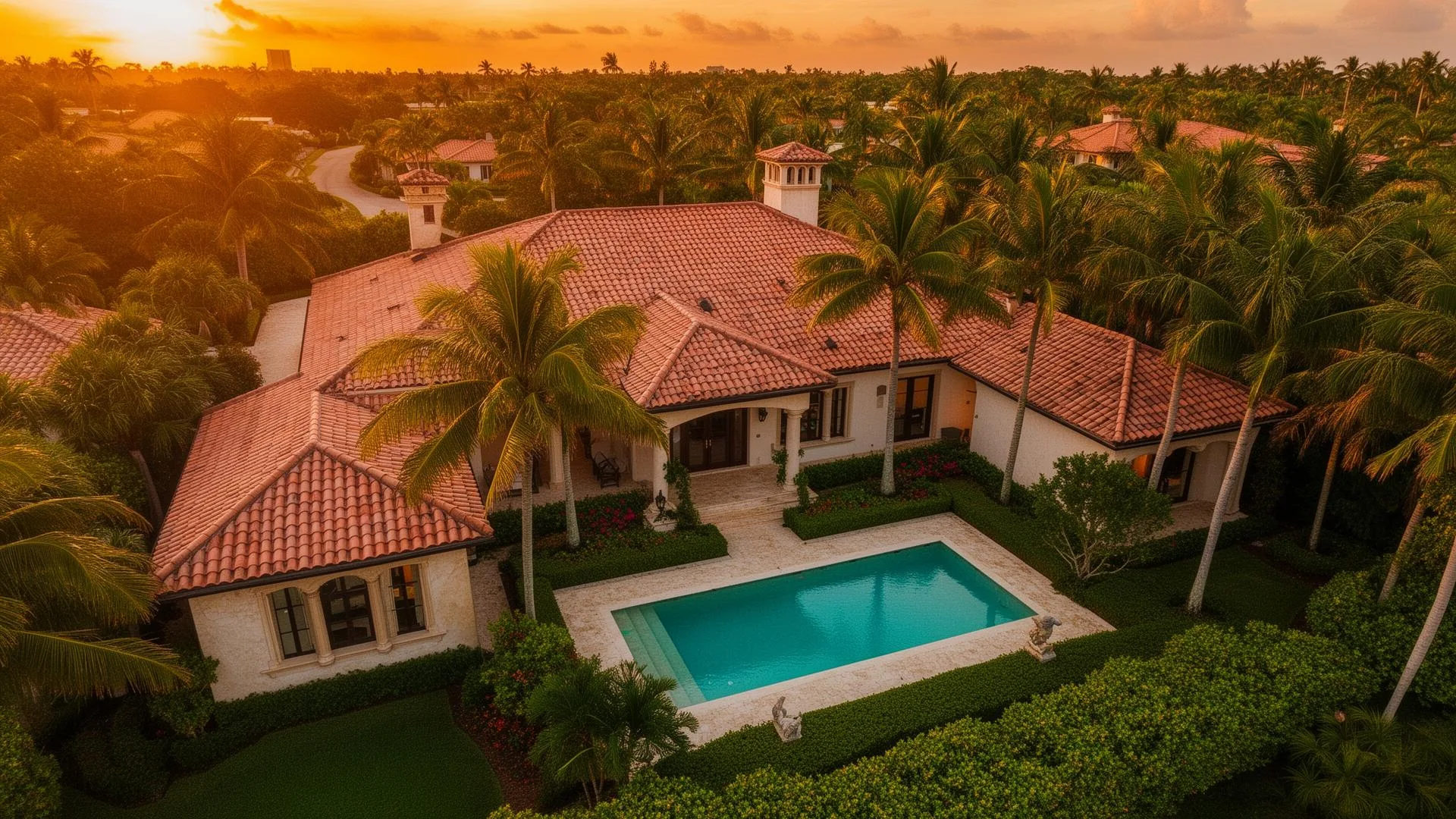
HOA — single-family homes. Owners own their roofs. The association's role is architectural control: approving the material, profile, and color, and enforcing deadlines for maintenance. Coral Gables, Boca Raton, and Weston communities often have detailed roof standards.
HOA — townhomes. It depends entirely on the declaration. Some make the association responsible for roofs; some make owners responsible for their own section of a shared roof, which creates the hardest coordination problem in roofing.
Read the declaration before anything else. It answers who pays, who approves, and who signs the contract.
What changed in 2022 and 2023
Two laws passed after the Surfside collapse rewired how condo associations handle major components, and the roof is on the list.
Milestone inspections. Condo and cooperative buildings three stories or taller need a structural milestone inspection at 30 years (local governments may require 25 for buildings near the coast), and every 10 years after. Roof condition is part of what the engineer looks at.
Structural Integrity Reserve Studies (SIRS). Associations for those buildings must have a SIRS that identifies the remaining useful life and replacement cost of specific components — roof, structure, waterproofing, and others — and, as of January 1, 2025, they can no longer waive or underfund reserves for those items. In practice: the roof replacement has to be in the reserve schedule, funded, and on a timeline the engineer signed off on.
For a board, that means a roof replacement isn't a discretionary project anymore. If the SIRS says the roof has five years of remaining life, the funding plan has to match. For an owner, it means the special assessment that surprised everyone in 2019 is increasingly replaced by planned reserve contributions.
The sequence for a condo association
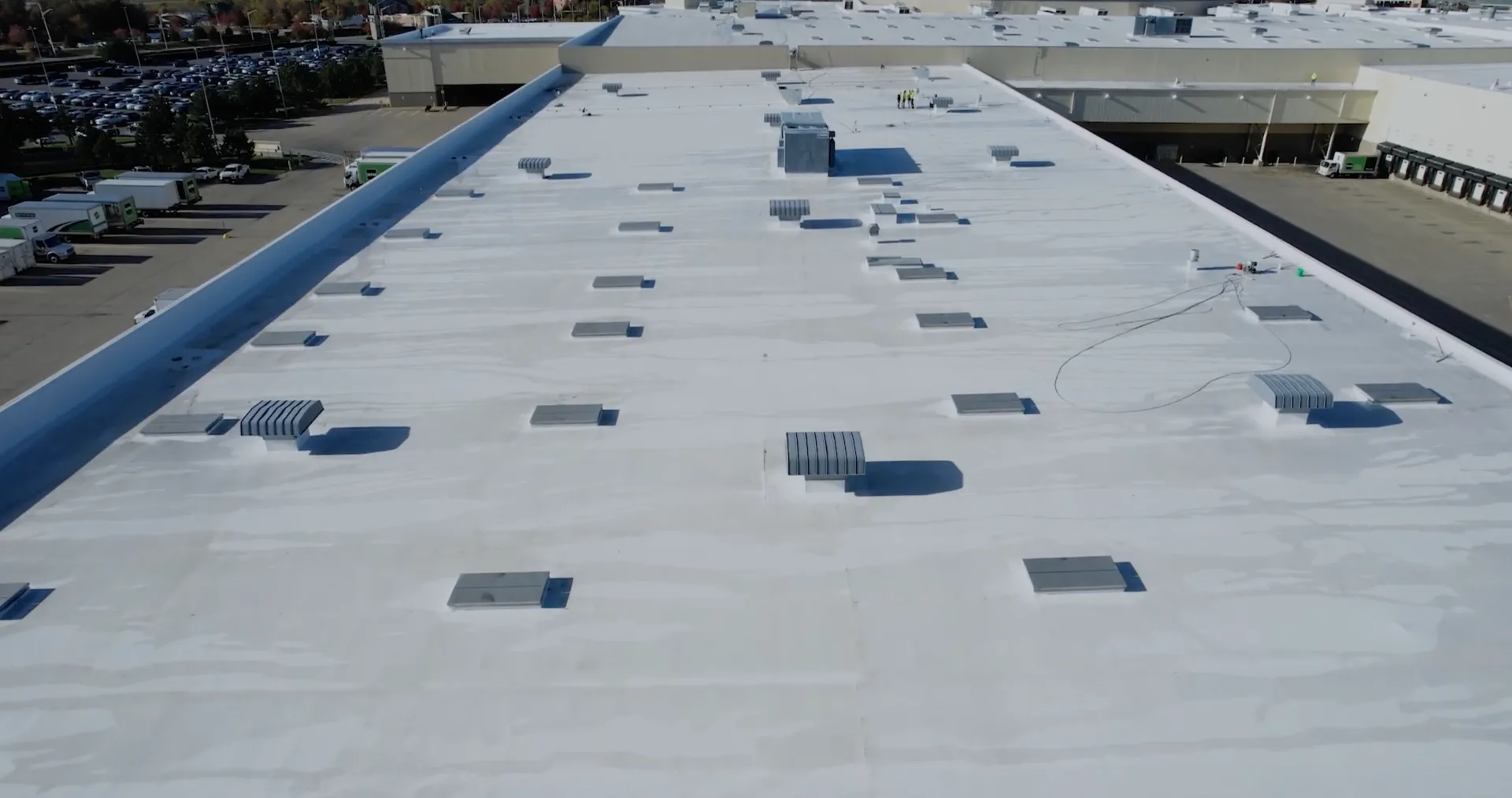
1. Condition assessment. An engineer's or roofing contractor's evaluation of the current roof: remaining life, active leaks, deck condition, drainage. Often this comes out of the milestone inspection or the SIRS. A drone inspection with a moisture survey is the practical starting point.
2. Board decision and budget. The board votes to proceed and confirms funding — reserves, a special assessment, a loan, or a combination. Under Florida's condominium statute, contracts above a threshold tied to the annual budget require competitive bids, so the board is usually planning for a formal bid process from the start.
3. Specifications. For anything beyond a small building, an engineer or roof consultant writes the specification: system type, thickness, attachment, insulation, drains, flashing details, warranty requirements. Our comparison of TPO and modified bitumen covers the main flat-roof choices; tile and metal buildings have their own specs.
4. Bidding. Contractors bid against the spec. Boards should require, in the bid package: the roofing license (a CCC number — verify it at DBPR), general liability and workers' compensation certificates naming the association, manufacturer certification for the specified system, references from comparable buildings, and a proposed schedule with phasing.
5. Contract and owner notice. The board awards the contract. Depending on the declaration and the funding method, there may be a membership vote for a special assessment or a loan. Owners get notice of the schedule, parking and access changes, and noise.
6. Permits. The contractor pulls the permit. For a multi-story building this involves engineered wind-load calculations, product approvals for every component, and often a pre-construction meeting with the building department. Our post on South Florida roofing permits explains the inspections.
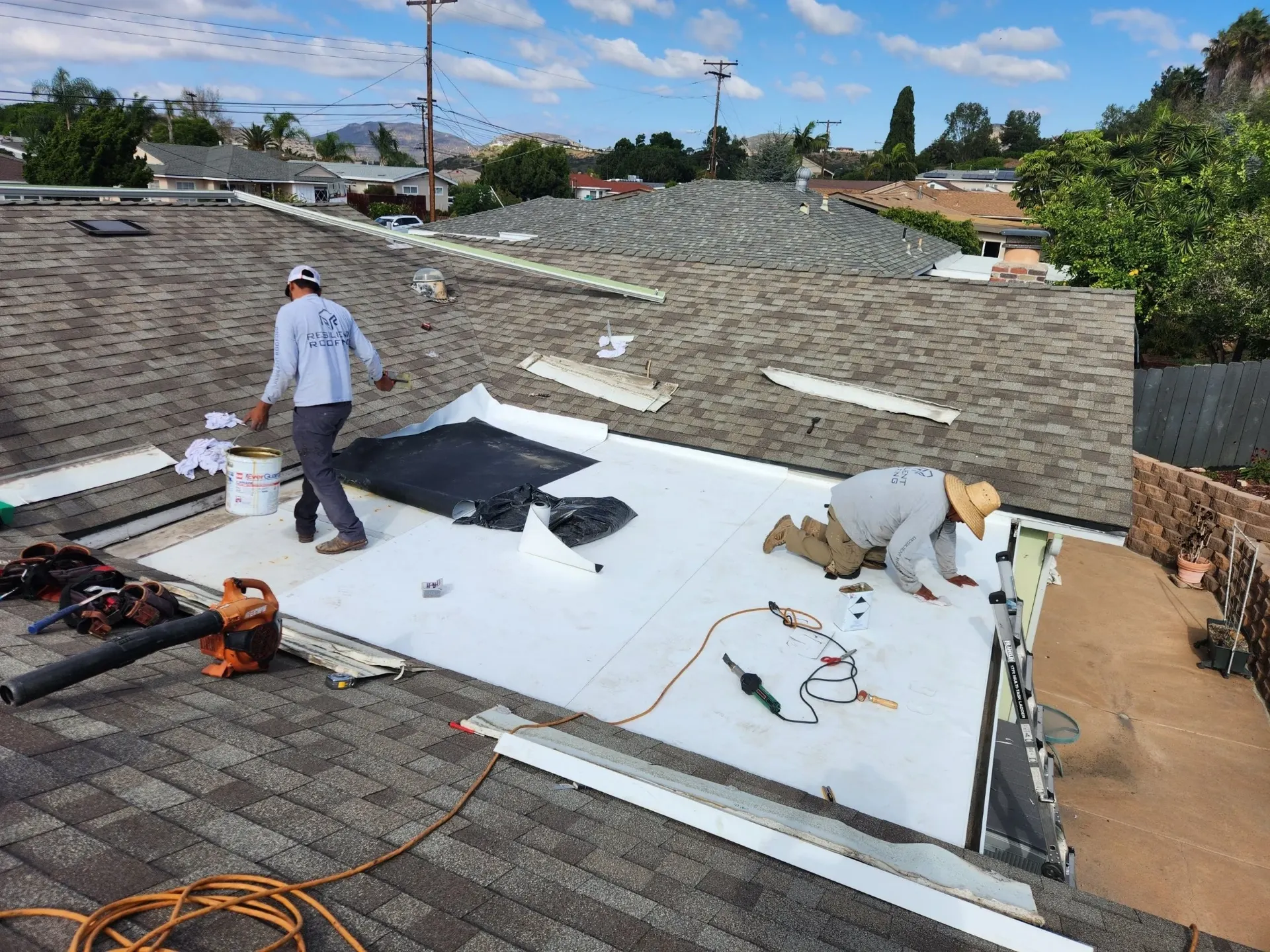
7. Construction. Phased by roof section so the building is never fully open. Daily tarping, debris management, and resident communication are as important as the roofing.
8. Closeout. Final inspection, manufacturer warranty issuance (which requires the manufacturer's own inspection on warranted systems), as-built documentation, and an update to the reserve study with the new roof's installation date and expected life.
Realistic timeline from step 1 to a closed permit: six to twelve months for a mid-size building, longer for large or high-rise properties.
The sequence for an HOA homeowner
Simpler, but with its own trap: the architectural review.
- Check the standards first. Many HOAs specify tile profile and color, prohibit certain materials, or require matching neighboring roofs. Some Coral Gables properties also fall under the city's Board of Architects for exterior changes.
- Submit the application with the product, color sample, and often the contractor's license and insurance. Approval takes two to six weeks in most communities.
- Then pull the permit. Starting before ARC approval risks a stop-work order from the association and a fine.
- Coordinate the schedule with the HOA's work-hour rules, dumpster placement rules, and gate access.
Where the HOA's approved tile profile has been discontinued, the association usually has a list of approved substitutes — ask before assuming. Our tile roofing team deals with matching constantly.
What makes a condo roof project go wrong
- Skipping the spec. Bids against no specification aren't comparable, and the low one usually omits something.
- Wet insulation left in place. The moisture survey step is where it's caught; skipping it leaves a wet roof under a new membrane.
- Attachment not designed for the building's wind zone. Perimeter and corner uplift on a tall building is much higher than on a house.
- No phasing plan. An open roof and an afternoon thunderstorm is a building full of claims.
- Warranty not registered. Manufacturer system warranties require the manufacturer's inspection and paperwork within a set window after completion. Miss it and the 20-year warranty doesn't exist.
Frequently asked questions
Can our condo board choose the cheapest bid?
The board's duty is to act in the association's best interest, which is not the same as picking the lowest number. A bid that meets the specification, from a licensed, insured, manufacturer-certified contractor with a phasing plan, is what the board is choosing among.
How is a condo roof paid for?
Reserves first, where the SIRS has funded them. Otherwise a special assessment, an association loan, or both, subject to the declaration and, often, a membership vote.
Our building is two stories. Do the milestone and SIRS rules apply?
The milestone inspection and SIRS requirements apply to buildings three stories or taller. Two-story associations still own the roof and still need to plan for it; they just aren't under the same statutory schedule.
How long does the actual roofing take?
Typically two to eight weeks for a mid-size building, depending on the system and the number of roof sections. The approvals before it are what take months.
Working with boards
We've replaced roofs for condo associations and HOA properties across Miami-Dade, Broward, and Palm Beach, and we're comfortable with the board process — attending meetings, bidding against an engineer's spec, and phasing work around residents. Our commercial roofing page has more, or book a condition assessment to get the sequence started.
SIA Roofing · Florida Certified Roofing Contractor CCC1334814 · (305) 333-2893. Statutory requirements summarized here have exceptions; associations should confirm specifics with their attorney and engineer.
Ready to Protect Your Home?
Schedule a free inspection with South Florida's most trusted roofing experts.